Le Parfumeur
French Premium Gin
Born from the union of perfumery and the French distilling tradition, Le Parfumeur is a premium gin to be savoured as a true sensory journey into the heart of raw botanicals. Conceived by olfactory designer Hervé Gambs, this creation is based on a carefully selected range of 7 botanicals infused in grape spirit and enhanced through slow distillation. A true work of art, its bottle was designed as an ode to French perfumery during the Belle Époque, combining historic elegance with contemporary craftsmanship.


“For this original creation, I invite you to experience a journey into the heart of raw botanicals. Created like a perfume, LE PARFUMEUR gin reveals the top notes of juniper berries and mandarin zest, followed by heart notes of bitter almond and ginger root. Finally, discover the sensual and captivating base notes of Centifolia rose, cacao bean and cinnamon bark.”


The distillery
For this gin, Hervé Gambs selected a limited number of botanicals so that each could express itself. His unique olfactory signature is reflected in the creation of this gin. Each botanical distillate is distilled separately to preserve the intensity of every botanical.
LE PARFUMEUR gin is distilled in small batches in a water bath in Charentais stills at the Distillerie des Terres Rouges. This slow, low-temperature distillation preserves the full delicacy of the aromatics.
The distillates are blended with grape spirit obtained by distilling wine lees. The grape spirit brings added refinement through its roundness.
Our gin is made with 100% natural ingredients.

A gin by
Hervé Gambs
Immerse yourself once again in the history of French haute parfumerie and the creative exuberance of the Roaring Twenties.
At that time, Piguet and Poiret brought change to French perfumery, coming from the world of fashion and offering innovative perfumes. In fact, at the Lyon World's Fair in 1914, fashion and perfumery were brought together in the same pavilion. Paul Poiret understood the importance of blending, design and packaging; he created three workshops (Les Parfums de Rosine for the juice, the Ateliers de Martine for design and decoration, and the Ateliers de Colin for packaging) to oversee every aspect of his perfume production.
Far from the hushed world of perfumery today, Hervé Gambs's journey is similar to that of Piguet and Poiret.
Originally a botanical designer, he later discovered the world of perfumery. He reinterprets the tradition of French haute parfumerie with precision and instinct. This unconventional creator crafts each fragrance as a journey into the heart of the plants he selects for their distinctive qualities, exploring their rough edges and the unsuspected subtleties that define them and make them beautiful.
For this gin, Hervé Gambs created a bottle inspired by the styles of the Roaring Twenties and Art Nouveau, as a tribute to traditional “Eaux de Cologne.” The label draws on the codes of vintage perfumes and features haute couture-inspired details, with embossing and hot foil stamping.

-
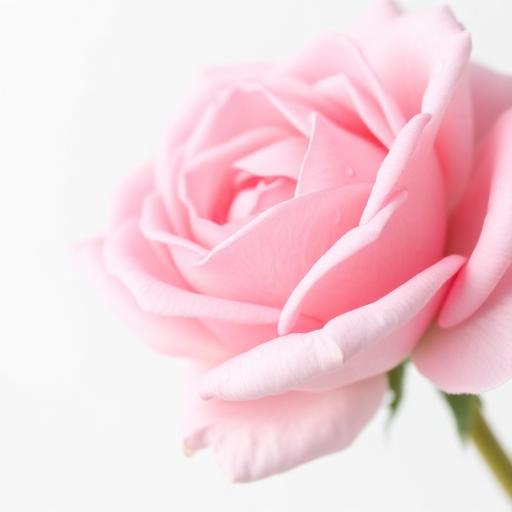
Centifolia Rose
Rosa centifolia
- Type
- Bush
- Part used
- Flower bud
- Family / Facet
- Floral
-
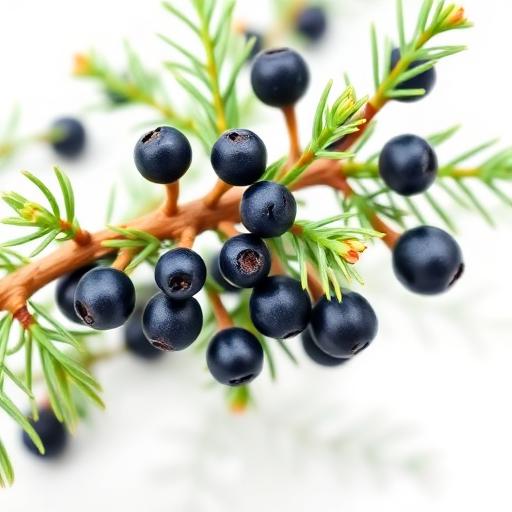
Juniper
Juniperus Communis
- Type
- Shrub
- Part used
- Berry
- Family / Facet
- Fresh, spicy
-
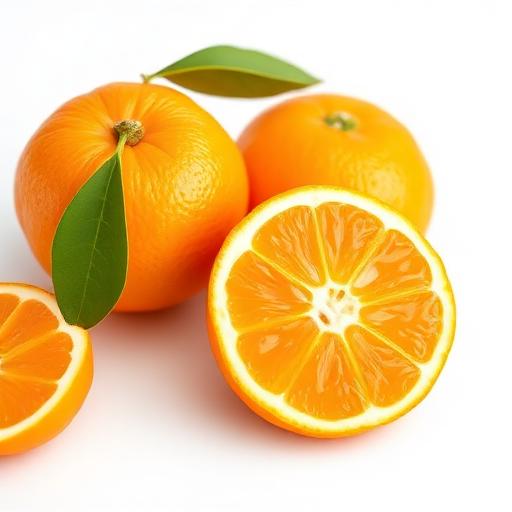
Mandarin
Citrus Reticulata
- Type
- Tree
- Part used
- Zest
- Family / Facet
- Citrus
-
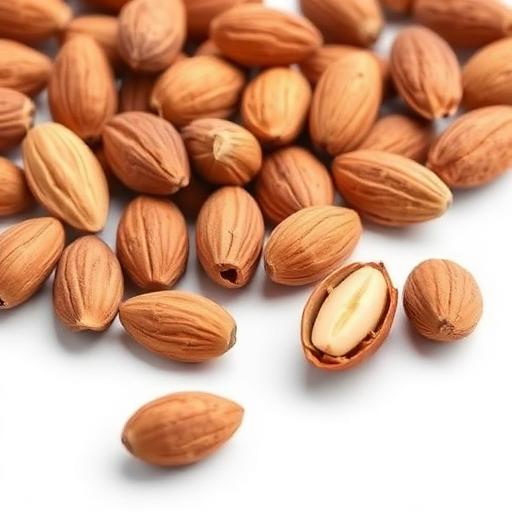
Bitter Almond
Prunus Amygdalus
- Type
- Tree
- Part used
- Tree nut
- Family / Facet
- Green, indulgent, bitter
-
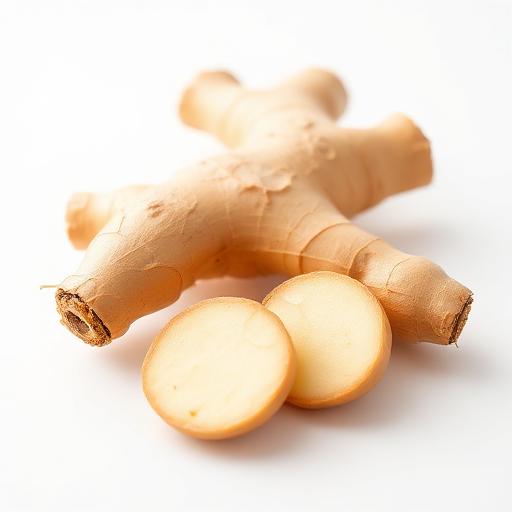
Ginger
Zingibar Officinalis
- Type
- Plant
- Part used
- Root
- Family / Facet
- Citrusy, spicy
-
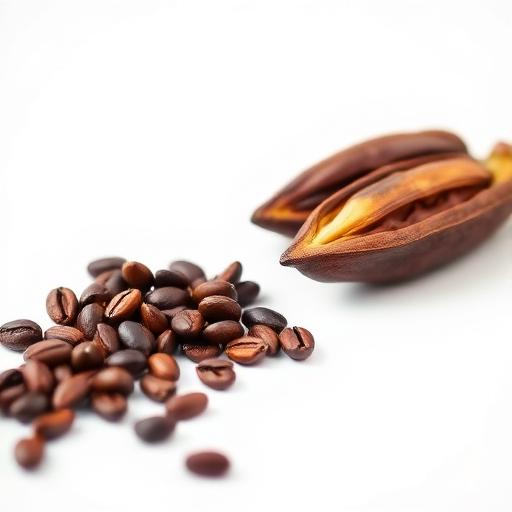
Cocoa
Theobroma Cacao
- Type
- Tree
- Part used
- Roasted bean
- Family / Facet
- Indulgent, bitter
-
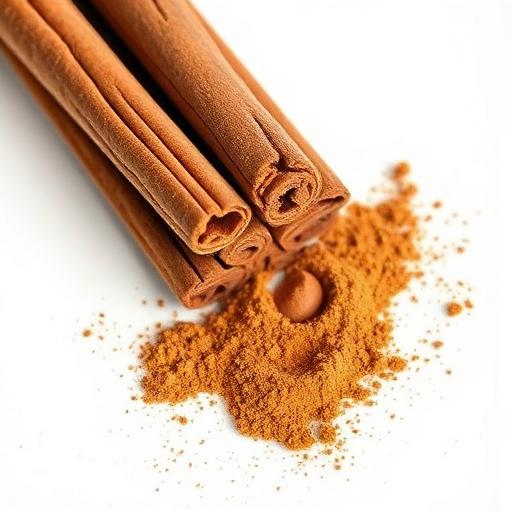
Cinnamon
Cinamomum Zeylancium
- Type
- Tree
- Part used
- Bark
- Family / Facet
- Sensual, spicy


Rediscover a classic:
the gin and tonic
Often seen simply as a refreshing drink, the Gin and Tonic actually has a rich history spanning continents and centuries. Let’s explore the origins and evolution of this iconic cocktail.
Colonial origins: The Gin and Tonic originated within the British Empire. Tonic, a drink containing quinine, was used by the British in India to prevent malaria. Quinine, extracted from the bark of the cinchona tree, was bitter, so gin was added to make the potion more palatable, giving rise to the Gin and Tonic.
Popularity and evolution: Over time, what began as a medicinal necessity became a popular cocktail of choice. In the Victorian era, the Gin and Tonic became a symbol of British elegance, and its popularity spread beyond the borders of India and Great Britain.
Today, the Gin and Tonic is celebrated around the world for its distinctive taste and simplicity. It embodies a blend of tradition and modernity, and remains a favourite among cocktail lovers.
The classic ratio is 1 part gin to 3 parts tonic. However, these proportions can vary according to your personal preference.
We recommend enjoying our French gin with a classic tonic water with fine, delicate bubbles.